
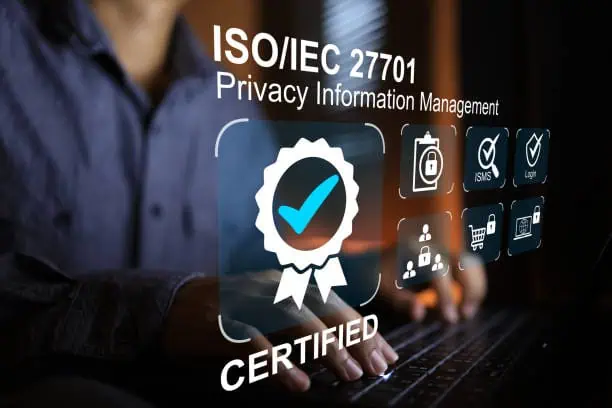
In today’s digital landscape, data security has become one of the most critical concerns for any organization operating in the cloud. Clients expect assurance that their sensitive information is protected by industry-recognized standards — and that’s where ISO 27001 certification comes in.
Achieving ISO 27001 certification for your cloud business demonstrates a strong commitment to information security, risk management, and operational resilience. However, many SMBs find the process intimidating due to its technical and procedural complexity.
This guide breaks down how to get ISO-27001 certification in a clear, step-by-step format — from defining your ISO 27001 scope and conducting a risk assessment to preparing for the ISO-27001 audit checklist. Whether you’re just starting your compliance journey or refining an existing ISMS, this guide provides actionable insights to help you achieve certification efficiently.
Understanding ISO 27001: The Foundation of Cloud Security
ISO 27001 is an international standard for establishing, implementing, maintaining, and continually improving an Information Security Management System (ISMS). It ensures that your organization systematically manages information risks, including cyber threats, data leaks, and operational disruptions.
For cloud-based companies, compliance with ISO 27001 not only secures your infrastructure but also strengthens client trust and competitive positioning. The standard helps you define robust security controls that align with business objectives, regulatory requirements, and customer expectations.
By aligning your cloud operations with ISO 27001 principles, you’re taking a proactive approach to prevent data breaches, minimize vulnerabilities, and demonstrate due diligence.
Partnering with experienced compliance experts like Trusted CISO can make this process smoother, as they offer specialized ISO 27001 guidance tailored for cloud-driven organizations.
Why ISO 27001 Certification Matters for Cloud Businesses
Cloud companies handle vast amounts of sensitive data — from customer records to financial details and proprietary systems. Without a robust security framework, even minor misconfigurations can lead to major consequences.
Here’s why ISO 27001 certification is crucial:
- Enhances Client Trust: Certification proves your organization’s commitment to maintaining confidentiality, integrity, and availability of data.
- Meets Vendor and Client Requirements: Many enterprise clients require ISO 27001 certification as a prerequisite for partnerships.
- Reduces Risk Exposure: A structured risk assessment ISO process ensures all potential threats are identified and mitigated.
- Supports Regulatory Compliance: Aligns with frameworks like GDPR, SOC 2, and HIPAA.
- Improves Internal Processes: Encourages continuous improvement through risk-based thinking and performance metrics.
In short, ISO 27001 transforms your security program from reactive to proactive — and provides measurable proof that your data management practices meet international standards.
Step 1: Define Your ISO 27001 Scope
The first step in understanding how to get ISO-27001 certification cloud is defining the ISO 27001 scope. This determines which parts of your business will be covered by the Information Security Management System (ISMS).
When defining scope:
- Identify which systems, applications, and processes store or process sensitive data.
- Include both on-premise and cloud environments.
- Clearly document external dependencies, such as SaaS providers or third-party vendors.
A well-defined scope ensures clarity during audits and avoids unnecessary complexity. It also aligns your ISMS objectives with your overall business goals.
Step 2: Conduct a Comprehensive Risk Assessment
An effective risk assessment ISO process forms the backbone of your ISMS. This involves identifying, analyzing, and evaluating information security risks that could impact your cloud infrastructure.
Key Steps in Risk Assessment:
- Identify Assets: Data, applications, servers, and user accounts.
- Analyze Threats: Consider cyberattacks, insider misuse, or system failures.
- Evaluate Impact: Determine the potential consequences of each risk.
- Implement Controls: Select appropriate security controls from Annex A of ISO 27001.
A well-documented risk assessment not only strengthens your ISMS but also demonstrates due diligence during external audits.
For companies new to ISO standards, partnering with compliance experts such as Trusted CISO ensures every risk factor is properly evaluated and managed according to best practices.
Step 3: Develop and Document Your Information Security Procedures
Once risks are identified, it’s time to build the foundation of your ISMS by documenting procedures that govern security practices. Documentation serves as evidence that your organization consistently applies and maintains the required controls.
Core documents typically include:
- Information Security Policy
- Risk Treatment Plan
- Access Control Policy
- Incident Management Procedure
- Asset Inventory
Maintaining accurate documentation helps establish accountability and ensures every employee understands their role in information security.
Step 4: Implement the ISMS and Engage Your Team
Your documentation sets the framework, but effective implementation depends on active participation from all team members. To embed security into your organizational culture:
- Conduct regular awareness training.
- Establish reporting procedures for security incidents.
- Enforce compliance with access controls and password policies.
- Integrate ISMS activities into daily operations.
Employee engagement is essential for ISO success. Everyone must understand not only what the policies are but why they matter.
Step 5: Conduct Internal Audits and Management Reviews
Before undergoing external certification, you must conduct internal audits to ensure all processes are effective and compliant.
Use an ISO-27001 audit checklist to verify that every clause of the standard is addressed. Internal audits help identify nonconformities, giving your team a chance to correct them before the official audit.
Management reviews should follow, focusing on overall ISMS performance, resource allocation, and opportunities for improvement.
At this stage, it’s beneficial to consult professional auditors or compliance specialists. Explore the ISO 27001 Compliance Services offered by Trusted CISO for expert support in conducting thorough readiness assessments.
Step 6: Prepare for the Certification Audit
After implementing and reviewing your ISMS, you’re ready for the certification audit — typically conducted in two stages:
- Stage 1 – Documentation Review: The auditor examines your ISMS documentation to verify compliance with ISO 27001 requirements.
- Stage 2 – Implementation Review: The auditor evaluates how effectively your ISMS operates in practice.
Ensuring consistency between your documentation and actual practices is key. Your ISO-27001 audit checklist should guide this phase, ensuring all controls are properly tested and verified.
Step 7: Continuous Improvement and Maintenance
Achieving certification is only the beginning. ISO 27001 requires ongoing monitoring, review, and improvement of your ISMS.
Regular internal audits, performance tracking, and corrective actions ensure your ISMS remains aligned with evolving business and security requirements.
Additionally, integrating cloud security best practices from Trusted CISO’s Cloud Security Solutions helps maintain a resilient and compliant cloud infrastructure.
Common Challenges During ISO 27001 Implementation
While ISO 27001 offers immense value, many organizations face similar hurdles during implementation:
- Undefined scope leading to audit confusion.
- Insufficient risk assessment coverage.
- Poor documentation of procedures and evidence.
- Low employee engagement or training gaps.
- Neglecting post-certification maintenance.
These challenges can slow your certification timeline or cause audit failures. Working with an experienced partner like Trusted CISO ensures a smooth journey through expert guidance and industry-tested methodologies.
Benefits of ISO 27001 Certification for Cloud Businesses
Obtaining ISO 27001 certification isn’t just about compliance; it’s about strengthening your brand’s reputation and operational security. Key benefits include:
- Increased customer confidence
- Reduced risk of data breaches
- Better alignment with legal and regulatory frameworks
- Improved internal governance and accountability
- Enhanced market competitiveness
ISO certification sends a strong message to clients and partners — your business takes information security seriously and operates with integrity.
Conclusion: Start Your ISO 27001 Journey with Expert Guidance
Navigating the path to ISO 27001 certification can seem complex, but with the right guidance and structure, it becomes a manageable, strategic process. Each step — from defining your scope to completing the audit — strengthens your company’s security framework and builds lasting trust with clients.
To ensure your certification process runs smoothly and efficiently, partner with experts who specialize in ISO 27001 for cloud businesses. The professionals at Trusted CISO can guide your organization through every phase — from planning and implementation to ongoing compliance maintenance.
Ready to protect your cloud environment with global security standards?
Contact Trusted CISO today to start your ISO 27001 certification journey with confidence.
FAQs About ISO 27001 Certification for Cloud Businesses
What is ISO 27001 certification, and why is it important for cloud companies?
ISO 27001 certification is an international standard that validates your organization’s information security management system. For cloud companies, it ensures data protection and customer confidence.
How long does it take to get ISO 27001 certified?
The timeline typically ranges from 6 to 12 months, depending on your organization’s size, readiness, and scope.
What should be included in the ISO 27001 scope?
Your ISO 27001 scope should cover all systems, processes, and assets involved in managing or processing sensitive data, including cloud infrastructure and third-party services.
What are the main steps in an ISO 27001 risk assessment?
Identify assets, evaluate threats, assess risks, and implement appropriate controls from Annex A. Documentation is essential at every stage.
What is included in the ISO-27001 audit checklist?
The checklist includes verifying documentation, reviewing control implementation, confirming evidence, and ensuring continuous improvement.